


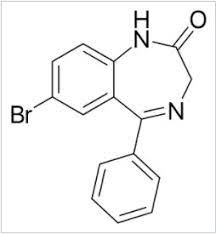
Bromonordiazepam 2.5 MG Pellets
Price range: € 13,95 through € 219,95
Bromonordiazepam pellets with 2.5 milligrams of active substance
Synonym: Bromonordiazepam
CAS Number: 2894-61-3
Formula: 7-bromo-5-phenyl-1,3-dihydro-1,4-benzodiazepin-2-one
Mole mass: 315.16464
Purity: >99%
Bromonordiazepam 2.5 MG pellets
These are the newest pellets in the RChems EU range! These pellets contain 2.5 MG of an active substance.
These pellets come from our own production and are of the highest quality. These pellets contain 2.5 milligrams of active substance. Each pellet has a diameter of approximately 8 mm with a breaking line. These pellets are blistered per 10 pieces to guarantee freshness and are supplied in a handy box for orders of 5 blisters or more.
What is Bromonordiazepam?
Bromonordiazepam is a psychoactive substance that falls under the benzodiazepine class, which is commonly prescribed for its sedative and anxiolytic properties. It is a derivative of diazepam, a benzodiazepine compound, with the addition of a bromine atom to its molecular structure.
As a benzodiazepine, It exerts its effects on the central nervous system by binding to GABA receptors in the brain. This interaction enhances the activity of the inhibitory neurotransmitter GABA, resulting in a calming and relaxing effect on both the body and mind.
This product is a relatively new benzodiazepine, and limited information is available regarding its long-term effects or potential for misuse. It is not commonly prescribed for medical purposes and is primarily utilized as a research chemical.
The synthesis of bromonordiazepam and other benzodiazepines typically occurs in clandestine laboratories, making it difficult to ensure their purity and safety. The use of these compounds without medical supervision can be hazardous and potentially life-threatening.
How was bromonordiazapem created?
Bromonordiazepam, a derivative of the benzodiazepine diazepam, originated from the efforts of the pharmaceutical company Hoffmann-La Roche in the 1950s. Diazepam was developed as an improvement over barbiturates, which were commonly used as sedatives but carried a high risk of overdose and dependence.
Diazepam, marketed as Valium, quickly gained popularity as a prescription medication due to its sedative and anxiolytic properties. Its usage surged during the 1960s and 1970s, as it was prescribed for various conditions such as anxiety, insomnia, muscle cramps, and alcohol withdrawal.
As the demand for diazepam increased, researchers began synthesizing new derivatives to enhance its effectiveness and minimize side effects. One such derivative was bromazepam, developed in the 1970s and marketed as Lexotanil.
Bromonordiazepam, a molecule with a bromine atom attached, is a derivative of bromazepam. It is believed to have been initially synthesized in clandestine laboratories by modifying existing benzodiazepine compounds. Its recreational use emerged in the 2000s.
It is important to note that the synthesis and distribution of this product and other designer benzodiazepines are illegal in most countries. The purity and safety of these compounds cannot be guaranteed. Using them outside of a medical setting can be hazardous and potentially life-threatening.
Bromonordiazepam properties
Bromonordiazepam, also known as desoxydesmethylflunitrazepam, is a benzodiazepine derivative. It is a research chemical and is not approved for medical use in many countries. It is primarily used for scientific research purposes or sold on the black market.
Dosage and Effects:
The dosage of Bromonordiazepam can vary depending on factors such as individual tolerance, desired effects, and the specific formulation of the product. These pellets are typically formulated in specific doses, such as 2.5 mg pellets.
Bromonordiazepam is reported to have sedative, anxiolytic (anti-anxiety), muscle relaxant, and hypnotic properties. Its effects can include relaxation, anxiety reduction, muscle relaxation, sedation, and, in higher doses, significant sedation and impairment.
Risks and precautions:
It is important to exercise caution when considering the use of bromonordiazepam or any other illicit substances. The use of unregulated substances carries inherent risks, as purity, dosage accuracy, and potential contaminants cannot be guaranteed.
Benzodiazepines, including this product, have a high potential for abuse, dependence, and addiction. Abrupt discontinuation of benzodiazepines after prolonged use can lead to withdrawal symptoms, including rebound anxiety, insomnia, irritability, and, in severe cases, seizures.
Ordering Information:
RChems EU is committed to providing high-quality research chemicals and excellent customer service. To inquire about the pricing and availability of Bromonordiazepam 2.5mg Pellets or any other products, please visit our website or contact our customer support team. We prioritize customer satisfaction and ensure discreet packaging and prompt worldwide delivery.
Unlock the potential of Bromonordiazepam in your research endeavors. Join the community of researchers at the forefront of scientific advancements by ordering Bromonordiazepam 2.5mg Pellets from RChems EU today.
RChems EU connects you with the research chemicals you need for cutting-edge scientific research.
| Quantity | 10 Pellets, 100 Pellets, 20 Pellets, 250 Pellets, 50 Pellets |
|---|
Be the first to review “Bromonordiazepam 2.5 MG Pellets”
Related products

Buy Arylcyclohexylamine
Buy Benzodiazepines

Buy Arylcyclohexylamine

Buy Arylcyclohexylamine

Buy Arylcyclohexylamine
Buy Benzodiazepines

Buy Arylcyclohexylamine

Buy Arylcyclohexylamine
Reviews
There are no reviews yet.