
DOC Blotters
Price range: € 840,00 through € 1.700,00
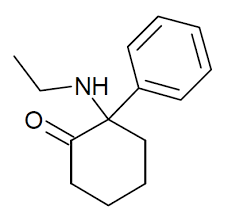
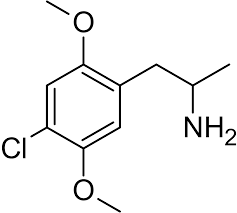
DOC Blotters (2,5-Dimethoxy-4-chloroamphetamine) are pre-dosed, homogeneous absorbent paper dosage units containing DOC, a synthetic psychedelic research chemical belonging to the substituted amphetamine class. Structurally related to the 2C family of phenethylamines, DOC features methoxy groups at the 2 and 5 positions and a chlorine atom at the 4 position of the phenyl ring, with an alpha-methylated side chain characteristic of amphetamines. This compound acts as a potent serotonin 5-HT2A receptor agonist. Each blotter delivers a precisely measured dose of the active research compound, eliminating the need for manual weighing. RChems EU supplies these blotters with verified 99%+ purity of the active ingredient, ensuring reproducible results for in vitro receptor binding assays and neuropharmacological investigations.
Physical and Chemical Properties
-
Active Compound: DOC (2,5-Dimethoxy-4-chloroamphetamine)
-
CAS Number: 42203-77-0
-
Dosage Form: Pre-dosed absorbent blotter paper
-
Active Purity: ≥99% (Verified by HPLC, NMR, MS)
-
Molecular Formula: C₁₁H₁₆ClNO₂ · HCl (hydrochloride salt)
-
Molecular Weight: 266.2 g/mol
-
Appearance: Uniform printed or unprinted blotter squares
-
Solubility: Blotter soluble/extractable in organic solvents (ethanol, DMSO)
-
Storage: Cool, dry, dark environment (refrigeration recommended, 4°C)
Buy DOC Blotters Research Chemical Online – USA, Europe & Worldwide
The substituted amphetamine class of research chemicals has been instrumental in advancing our understanding of serotonin receptor pharmacology and the structure-activity relationships of psychedelic phenethylamines. DOC (2,5-Dimethoxy-4-chloroamphetamine) is a synthetic psychedelic compound first synthesized by Alexander Shulgin in the 1970s and documented in his seminal work. Structurally, DOC belongs to the DOX family (dimethoxyamphetamines), characterized by methoxy groups at the 2 and 5 positions of the phenyl ring and a halogen substituent at the 4 position—in this case, chlorine. The addition of an alpha-methyl group distinguishes amphetamines from their phenethylamine counterparts such as 2C-C.
DOC acts as a potent serotonin 5-HT2A receptor agonist, a mechanism shared with other classical psychedelics. For researchers investigating the molecular pharmacology of serotonin receptors, the structure-activity relationships of halogenated amphetamines, and the effects of the alpha-methyl group on receptor binding kinetics and metabolic stability, DOC offers a distinct chemical probe. The blotter paper format provides a stable, compact, and easily storable medium for pre-dosed research compounds. When you buy DOC blotters from RChems EU, you acquire a high-purity research compound in a convenient, pre-dosed format. Our 99% pure DOC blotters are intended exclusively for laboratory research—not for human or animal consumption—enabling precise, reproducible experiments in receptor pharmacology, neurochemistry, and behavioral neuroscience.
Key Features & Benefits
- Pre-Dosed Blotter Format: Eliminates need for manual weighing, reduces measurement error, and provides a stable, compact storage medium.
- Verified 99%+ Purity: Every batch of active ingredient undergoes independent HPLC, LC-MS, and ¹H/¹³C NMR analysis.
- Potent 5-HT2A Receptor Agonist: Enables SAR studies on substituted amphetamines and their interactions with serotonin receptors.
- 4-Chloro Substitution: The chlorine atom at the 4-position allows comparison with other halogenated DOX analogs (DOB, DOI, DOF).
- Alpha-Methylated Phenethylamine: The alpha-methyl group distinguishes DOC from 2C-C and affects metabolic stability and receptor binding kinetics.
- CAS-Identified Compound: Registered under CAS number 42203-77-0 for unambiguous chemical identification.
- Convenient Blotter Format: Ideal for storage, transport, and precise dosing in research settings.
- Worldwide Delivery: Fast, tracked shipping to the USA, Canada, Europe, Australia, and select Asian research hubs.
- Discreet Packaging Protocol: Plain outer boxes, unmarked labels, vacuum-sealed inner bags—no chemical names on the parcel.
Product Specifications
| Property | Specification |
|---|---|
| Active Ingredient | DOC (2,5-Dimethoxy-4-chloroamphetamine) |
| CAS Number | 42203-77-0 |
| IUPAC Name | 1-(4-chloro-2,5-dimethoxyphenyl)propan-2-amine |
| Dosage Form | Pre-dosed absorbent blotter paper |
| Active Purity | ≥99% (Verified by HPLC, NMR, MS) |
| Molecular Formula | C₁₁H₁₆ClNO₂ · HCl |
| Molecular Weight | 266.2 g/mol |
| Synonyms | 4-chloro-2,5-dimethoxy-a-methylbenzenethanamine, monohydrochloride |
| Blotter Appearance | Uniform printed or unprinted blotter squares |
| Storage | Cool, dry, dark environment (refrigeration at 4°C recommended) |
| Chemical Class | Substituted amphetamine / Phenethylamine / 5-HT2A receptor agonist |
Applications & Usage
⚠️ Strictly for laboratory research use only. Not for human or animal consumption.
DOC blotters are utilized in a range of non-clinical, pre-clinical, and basic science research applications where pre-dosed formats offer advantages over powdered chemicals. Typical areas of investigation include:
- Serotonin 5-HT2A Receptor Binding Assays: After extraction of the blotter in appropriate solvent (ethanol or DMSO), researchers can evaluate affinity (Ki) for 5-HT2A, 5-HT2C, and 5-HT1A receptors using radioligand displacement (e.g., [³H]ketanserin for 5-HT2A, [³H]mesulergine for 5-HT2C, [³H]8-OH-DPAT for 5-HT1A) in transfected cell lines or cortical homogenates.
- G-protein Activation Functional Studies: Measuring [³⁵S]GTPγS binding or BRET-based biosensors to assess efficacy and potency at serotonin receptors, comparing DOC with other DOX family members (DOB, DOI) to understand the impact of halogen substitution on receptor activation.
- Halogenated DOX SAR Investigations: Systematically comparing DOC (4-chloro) with DOB (4-bromo), DOI (4-iodo), and DOF (4-fluoro) to map the impact of halogen identity on 5-HT2A receptor affinity, selectivity, intrinsic activity, and metabolic stability.
- Amphetamine vs. Phenethylamine Comparisons: Comparing DOC (alpha-methylated) with 2C-C (non-alpha-methylated) to investigate the effects of the alpha-methyl group on receptor binding kinetics, metabolic stability (MAO resistance), and overall pharmacological profile.
- Blotter-Based Dosing Studies: The pre-dosed blotter format enables consistent, repeatable dosing across multiple experimental replicates.
- Metabolic Stability Research: Evaluating phase I metabolism using hepatic microsomes or S9 fractions with LC-MS/MS quantification after extraction from the blotter matrix.
- Analytical Reference Standard Preparation: Blotters can be extracted to prepare calibrated solutions for forensic toxicology, wastewater analysis, or novel psychoactive substance (NPS) screening methods.
Researchers are encouraged to consult peer-reviewed literature (e.g., Journal of Medicinal Chemistry, Neuropharmacology, ACS Chemical Neuroscience, Psychopharmacology) for established in vitro protocols. RChems EU does not provide research protocols but guarantees the compound’s structural integrity and purity for such applications.
Purity & Testing
Reproducibility in serotonin receptor and neuropharmacology research depends critically on compound purity. The active ingredient on each DOC blotter is subjected to rigorous independent testing before blotter preparation. Impurities—particularly other DOX isomers, synthetic intermediates, or degradation products—can produce false-positive signals in receptor binding assays or confound functional readouts. That is why 99% pure DOC is the foundation of every blotter from RChems EU:
- Active Ingredient Testing (Pre-Blotters):
- High-Performance Liquid Chromatography (HPLC-DAD): Quantitative analysis at 220 nm and 254 nm. Minimum acceptance criterion: ≥99.0% peak area purity.
- Liquid Chromatography-Mass Spectrometry (LC-MS): Confirms molecular ion [M+H]⁺ = 230.1 for the freebase and detects trace-level organic impurities down to 0.05%.
- Nuclear Magnetic Resonance (NMR): Both proton (¹H) and carbon-13 (¹³C) NMR verify the correct 2,5-dimethoxy-4-chlorophenyl ring system, alpha-methyl group, and primary amine functionality. Any spectral deviation triggers batch rejection.
- Residual Solvent Analysis (GC-MS): Ensures compliance with ICH limits for Class 2 and Class 3 solvents.
- Heavy Metal Testing (ICP-MS): Confirms levels below 20 ppm for lead, arsenic, cadmium, and mercury.
- Post-Blotters Quality Control:
- Homogeneity Testing: Randomly selected blotters are assayed to confirm consistent active content.
- Extraction Efficiency Testing: Confirms complete release of active compound from the blotter matrix in standard laboratory solvents (ethanol, DMSO).
Each batch is assigned a unique lot number, and a Certificate of Analysis (COA) for the active ingredient is available upon request. This rigorous testing ensures that when you buy DOC blotters for research, you receive a consistent, high-precision product.
Safety & Handling Guidelines
⚠️ FOR LABORATORY RESEARCH USE ONLY. NOT FOR HUMAN OR ANIMAL CONSUMPTION.
- Personal Protective Equipment (PPE): Always wear nitrile gloves, a lab coat, and chemical splash goggles when handling blotters or preparing solutions.
- Engineering Controls: Use a certified chemical fume hood or glove box when extracting blotters or handling the active compound in solution.
- First Aid Measures:
- Inhalation: Remove to fresh air. If breathing difficulty persists, seek medical attention.
- Skin Contact: Wash with soap and copious water for 15 minutes. Remove contaminated clothing.
- Eye Contact: Rinse cautiously with water for 15 minutes. Consult an ophthalmologist if irritation persists.
- Ingestion: Do NOT induce vomiting. Rinse mouth and seek immediate medical attention.
- Spill Management: Carefully collect intact blotters. Collect in a sealed, labeled container for hazardous waste disposal.
- Storage: Store blotters in the original tightly sealed container under refrigeration (4°C) to minimize degradation. Allow the sealed container to reach room temperature before opening to prevent condensation. Avoid prolonged exposure to air, light, and heat. Keep out of reach of children and pets.
By purchasing from RChems EU, you confirm that you are a qualified researcher (or authorized agent) and that your facility can handle this compound safely.
Global Shipping & Discreet Delivery
RChems EU has perfected a discreet, reliable global logistics system for all research chemical orders, including DOC blotters. We understand that confidentiality is essential for many academic and private research organizations.
What discreet delivery means for you:
- Plain Outer Packaging: Your order arrives in a non-descript padded envelope or small cardboard box. No logos, no brand names, no chemical identifiers.
- Unmarked Shipping Label: The return address uses a generic name (e.g., “L.C. Distribution” or “WH Logistics”). No reference to “RChems EU” or “DOC.”
- Vacuum-Sealed Inner Bags: Blotter packs are heat-sealed to prevent tampering. No chemical name appears on the inner packaging.
- No External Documentation: Invoices, COAs, or packing slips are sent via encrypted email only—never placed inside the parcel.
Fast worldwide delivery times (tracked):
| Region | Estimated Transit Time |
|---|---|
| USA & Canada | 5–9 business days |
| Europe (UK, Germany, France, Spain, Italy, Netherlands) | 3–7 business days |
| Australia & New Zealand | 7–12 business days |
| Rest of World (select countries) | 7–14 business days |
Every shipment includes a real-time tracking number. Expedited courier options (FedEx Priority, DHL Express) are available at checkout for faster delivery (2–5 days globally).
Why Choose RChems EU?
- Stealth Packaging Experts: Over 7,000 successful shipments to 45+ countries with minimal customs interference.
- Third-Party Verified Purity: Every batch of active ingredient is independently tested. We do not sell unverified material.
- Pre-Dosed Blotter Convenience: Blotters eliminate the need for analytical weighing, saving time and reducing variability.
- DOX Research Focus: Specialized in providing halogenated DOX family compounds for SAR studies.
- Responsive Scientific Support: Technical inquiries answered within 24 hours. Replacement policy for lost or damaged shipments (terms apply).
- Flexible Payment Methods: Secure cryptocurrency (BTC, ETH, USDT) and select credit card options.
- Global Compliance Awareness: We monitor international regulations and adjust shipping policies accordingly.
Legal & Safety Disclaimer
⚠️ IMPORTANT – READ CAREFULLY BEFORE PURCHASING
DOC blotters are sold by RChems EU strictly as a research chemical and are not for human consumption, animal testing, or any form of in vivo use without appropriate institutional ethical approval. This product is not a pharmaceutical, medicinal product, dietary supplement, or recreational substance.
Legal Status Varies by Jurisdiction: DOC (CAS 42203-77-0) may be a controlled substance or regulated analog in certain countries, states, or territories. In the United States, it may be considered a controlled substance analogue under the Federal Analogue Act (21 U.S.C. § 813) if intended for human consumption. Several European countries have specific analogue legislation or blanket scheduling for substituted amphetamines. It is your sole responsibility to verify the legal status of DOC in your country, state, or province before ordering.
By completing your purchase, you certify that:
- You are at least 18 years of age.
- You are a qualified researcher affiliated with a bona fide laboratory or academic institution.
- You will use this product exclusively for lawful, laboratory-based research purposes.
- You will not introduce this compound into the body of any human or animal.
RChems EU reserves the right to cancel any order that appears destined for non-research use or for a jurisdiction where DOC is prohibited.
FAQ Section
1. What are DOC blotters used for in research?
DOC blotters are pre-dosed absorbent paper units containing 2,5-Dimethoxy-4-chloroamphetamine (CAS 42203-77-0), a substituted amphetamine and potent 5-HT2A receptor agonist. They are used in neuropharmacological research to study serotonin receptor binding affinity, the effects of halogen substitution on DOX family pharmacology, and structure-activity relationships comparing DOC with DOB, DOI, and other halogenated amphetamines. The blotter format is particularly valuable for studies requiring precise, pre-dosed quantities.
2. How do I prepare the blotters for use in assays?
Blotters can be placed in an appropriate organic solvent (e.g., ethanol, methanol, or DMSO) to extract the active compound. The exact concentration should be verified by UV spectrophotometry or HPLC after extraction. The blotter paper is designed to release the active compound completely into these solvents. For aqueous buffers, first extract the blotter in a small volume of ethanol or DMSO, then dilute with buffer (keeping final organic solvent concentration below 1-2% to avoid interference with biological assays).
3. Are the blotters homogeneous in content?
Yes. Every blotter in a given batch contains a verified consistent dose of DOC. RChems EU performs random sampling and content uniformity testing on each production batch to ensure consistent dosage across all blotters. The Certificate of Analysis (COA) includes content uniformity data upon request.
4. Is DOC legal to buy and possess for research?
Legality depends on your jurisdiction. DOC is not explicitly scheduled at the US federal level but may be considered a controlled substance analogue under the Federal Analogue Act (21 U.S.C. § 813) if intended for human consumption. Many European countries have analogue legislation or specific scheduling for substituted amphetamines. You must check your local regulations before ordering. RChems EU ships on the condition that you assume full legal responsibility.
5. How discreet is the shipping from RChems EU?
Extremely discreet. All orders, including DOC blotters, are shipped in plain, unmarked packaging with no external branding. The shipping label uses a generic return address. Inner packaging is vacuum-sealed with no chemical names visible. Our stealth protocol has enabled successful deliveries to over 45 countries with a 99%+ success rate.
6. What is the purity of the DOC on the blotters?
The active ingredient on every blotter is independently tested to be ≥99% pure via HPLC-DAD, with confirmation by LC-MS and ¹H/¹³C NMR. A lot-specific Certificate of Analysis (COA) for the active ingredient is available for every order upon request.
7. How should I store DOC blotters?
Store blotters in the original tightly sealed container under refrigeration (4°C) to minimize degradation. For short-term use (≤2 weeks), room temperature (20–25°C) in a desiccator under inert atmosphere may be acceptable. Always allow the sealed container to reach room temperature before opening to prevent condensation. Avoid prolonged exposure to air, light, and heat. Keep out of reach of children and pets.
8. What is the difference between DOC and 2C-C?
The key structural difference is the alpha-methyl group on the side chain:
- 2C-C has a phenethylamine backbone (no alpha-methyl group)
- DOC has an alpha-methyl group (amphetamine backbone)
In serotonin receptor research, the alpha-methyl group:
- Confers resistance to monoamine oxidase (MAO) metabolism
- Extends the duration of action in research models
- Alters receptor binding kinetics and selectivity
- Increases lipophilicity and blood-brain barrier permeability
Comparing DOC with 2C-C allows researchers to map the impact of alpha-methylation on phenethylamine pharmacology.
9. What is the difference between DOC, DOB, and DOI?
These are halogen-substituted DOX family members with different halogens at the 4-position:
- DOC has a chlorine atom (4-chloro)
- DOB has a bromine atom (4-bromo)
- DOI has an iodine atom (4-iodo)
Comparing these three compounds allows researchers to systematically investigate how halogen identity (Cl, Br, I) affects 5-HT2A receptor affinity, selectivity, intrinsic activity, and metabolic stability. This is a classic SAR study comparing halogen substitution in the DOX series.
10. What is the significance of CAS number 42203-77-0?
CAS number 42203-77-0 is the unique Chemical Abstracts Service identifier for DOC (2,5-Dimethoxy-4-chloroamphetamine) as the hydrochloride salt. Researchers can use this CAS number for precise chemical identification when ordering reference standards, searching scientific literature, or documenting research materials. It is the standard identifier across analytical chemistry, forensic toxicology, and pharmacological research.
11. Do you offer a reshipment policy if customs seizes my package?
Yes. RChems EU offers a one-time reshipment policy for confirmed customs seizures in most countries, provided that the original shipping address is valid and the buyer did not violate known local laws. Crypto payments qualify for the full reshipment guarantee. Terms and conditions apply—please contact customer support for details.
12. Can I get a Certificate of Analysis (COA) before ordering?
Absolutely. Contact our support team via email with the product name (DOC blotters) and your research affiliation. We will provide a redacted or full COA for the active ingredient batch, including HPLC chromatograms and NMR spectra, subject to verification of legitimate research intent.
Ready to advance your DOX family and 5-HT2A receptor research with pre-dosed blotter convenience? Order DOC blotters from RChems EU today and experience unmatched product quality, stealth global delivery, and professional scientific support. Buy DOC Blotters for Research.
RChems EU – Your trusted global supplier of 99% pure research chemicals.
Related products
3-Me-PCP (3-methylphencyclidine)
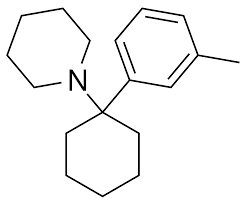
3-Me-PCP (3-methylphencyclidine) is a synthetic dissociative research chemical belonging to the arylcyclohexylamine class. Structurally related to phencyclidine (PCP), the 3-methyl substitution on the phenyl ring distinguishes this analog and alters its pharmacological profile as an NMDA receptor antagonist. RChems EU supplies 3-Me-PCP as a high-purity crystalline powder with verified 99%+ purity, ensuring reproducible results for in vitro receptor binding assays, neuropharmacological investigations, and structure-activity relationship (SAR) studies.
Physical and Chemical Properties
-
Chemical Name: 3-methylphencyclidine; 1-(1-(3-methylphenyl)cyclohexyl)piperidine
-
Molecular Formula: C₁₈H₂₇N
-
Molecular Weight: 257.41 g/mol
-
Appearance: White to off-white crystalline powder
-
Purity: ≥99% (Verified by HPLC, NMR, MS)
-
Solubility: Soluble in ethanol, DMSO, and organic solvents
-
CAS Number: Not publicly assigned (research chemical)
-
Storage: Cool, dry, dark environment (room temperature recommended)
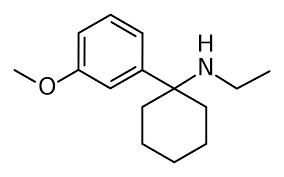
3-MeO-PCE (3-methoxyeticyclidine)
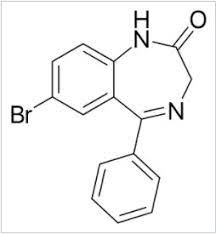
Bromonordiazepam 2.5 MG Pellets
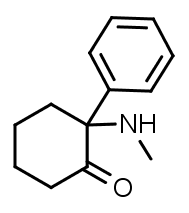
DCK (Deschloroketamine)

F-DCK HCl (2-fluorodeschloroketamine)
F-DCK HCl (2-fluorodeschloroketamine hydrochloride) is a synthetic dissociative research chemical belonging to the arylcyclohexylamine class. Structurally derived from ketamine, this analog replaces the 2-chloro group with a fluorine atom and removes the 2-oxo group, resulting in a distinct pharmacological profile as an NMDA receptor antagonist. The hydrochloride salt form enhances aqueous solubility and crystalline stability. RChems EU supplies F-DCK HCl as a high-purity crystalline powder with verified 99%+ purity, ensuring reproducible results for in vitro receptor binding assays, neuropharmacological investigations, and structure-activity relationship (SAR) studies.
Physical and Chemical Properties
-
Chemical Name: 2-fluorodeschloroketamine hydrochloride; 2-(2-fluorophenyl)-2-(methylamino)cyclohexan-1-one hydrochloride
-
Molecular Formula: C₁₃H₁₆FNO · HCl
-
Molecular Weight: 257.73 g/mol
-
Appearance: White to off-white crystalline powder
-
Purity: ≥99% (Verified by HPLC, NMR, MS)
-
Solubility: Soluble in water, ethanol, and DMSO (HCl salt)
-
CAS Number: Not publicly assigned (research chemical)
-
Storage: Cool, dry, dark environment (room temperature recommended)

Flubrotizolam 0.5 MG Pellets
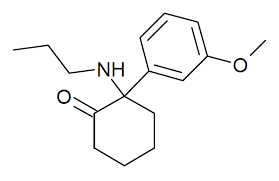
MXPr